

A water bottle often becomes part of a daily routine without much thought. It sits on office desks, school bags, gym benches, and car cup holders. Customised tumbler & water bottle options have become increasingly popular among people who want practical drinkware with a more personal touch. Yet after a few weeks of regular use, small details start to matter. Weight feels noticeable during commutes. Leaks become frustrating. Poor insulation turns cold water warm before lunchtime.
In Singapore, hydration matters because heat and humidity shape everyday routines. Whether commuting to work, sitting in classrooms, or exercising outdoors, many people carry water throughout the day instead of relying on disposable bottles.
The right bottle depends less on appearance and more on how it fits daily habits.
Stainless Steel Bottles for Temperature Control
Stainless steel bottles remain popular because they handle temperature well. Double-wall insulated designs keep drinks cold for longer periods, which matters during warm afternoons or long commutes.
Cold water tends to stay cooler for several hours inside insulated bottles compared with lightweight plastic options. This becomes useful for office workers moving between meetings, students spending long days on campus, or gym users carrying chilled drinks after exercise.
The trade-off usually comes down to weight. Stainless steel bottles feel heavier inside bags, especially larger sizes above 750ml.
Some people prefer this extra durability. Others start prioritising lighter options after carrying a full bottle daily.
Lightweight Plastic Bottles for Convenience
Plastic water bottles remain common for school, casual office use, and travel because they are easy to carry.
Weight becomes less noticeable during daily movement. Students carrying textbooks, laptops, or sports equipment often prefer lighter bottles because every extra item adds up.
Quality matters here.
Cheaper plastic sometimes absorbs odours or develops scratches after repeated use. Better-quality materials tend to resist staining and maintain clarity longer.
Leak-proof lids matter more than expected, too. A poorly sealed bottle inside a laptop bag usually becomes memorable for the wrong reasons.
Glass Water Bottles for Taste and Cleanliness
Some people prefer glass bottles because water tastes cleaner to them. Glass does not retain flavour from tea, fruit infusions, or flavoured drinks as easily as some plastics.
This option works well for office desks or home use, where portability matters less.
The downside becomes obvious during travel. Glass bottles feel heavier and break more easily if dropped. Protective sleeves help reduce risk, though they add bulk.
For people who mostly refill water indoors, glass often feels practical enough.
Bottle Size Changes Daily Convenience
Bottle size affects routine more than many buyers expect.
Smaller bottles around 350ml to 500ml suit lighter carry needs and shorter outings. They fit bags easily and feel manageable for younger students or quick commutes.
Larger bottles above 750ml reduce refill frequency, which helps during long workdays, outdoor activity, or gym sessions.
There is a trade-off.
A large insulated bottle filled with water becomes noticeably heavy during crowded MRT commutes or long walks between appointments. Some people start with the large bottles, then gradually shift toward mid-size bottles after regular use.
Daily movement patterns usually determine the better choice.
Features That Matter During Everyday Use
Lids often shape user experience more than bottle material.
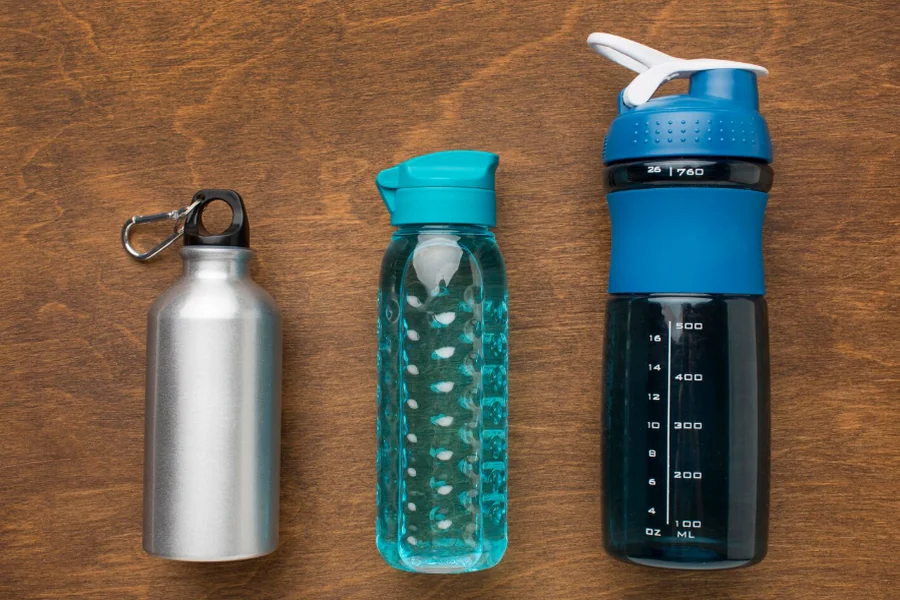
Flip-top lids help during exercise because quick access matters during workouts. Screw caps tend to seal more securely for commuting. Straw lids appeal to people who sip water regularly throughout the day.
Wide openings make cleaning easier and allow ice cubes inside insulated bottles. Narrow openings reduce spills while drinking during movement.
Grip also matters.
Smooth bottles sometimes slip easily when hands sweat after outdoor activity or exercise. Textured finishes or silicone sleeves improve handling.
These details feel small until daily use exposes frustration points.
School, Work, and Fitness Needs Differ
A bottle suited for work may feel inconvenient during sport.
Office workers often prioritise insulation, appearance, and desk stability. Students usually need lightweight options that survive being tossed into bags. Gym users often prefer easy drinking access and larger capacity.
Fitness routines create different demands because repeated hydration becomes part of performance and recovery.
A smaller, stylish bottle may work better, but feel limiting during training sessions.
Matching bottle choice to routine usually prevents disappointment later.
Cleaning Often Gets Ignored
Water bottles need regular cleaning, though many people overlook it.
Moisture trapped inside lids or straws creates odour quickly in humid conditions. Narrow bottle openings sometimes make proper cleaning difficult.
Simple bottle designs tend to stay easier to maintain over time.
Reusable bottles only stay practical when cleaning feels manageable. Otherwise, convenience starts disappearing.
Choosing Based on Routine Makes More Sense
The best water bottle in Singapore often depends on how and where it will be used.
Commuters carrying laptops across the city may prioritise lightweight portability. Gym users may care more about capacity and drinking access. Students often need durability and leak resistance.
Temperature control matters more for some routines than others. Weight matters more during long daily travel.
A bottle used every day becomes part of a habit quickly. When size, material, and design fit your routine properly, hydration usually becomes easier to maintain without much effort.
